Where Paris Haute Couture Meets Tennis Culture
Casablanca Paris was created on the belief that the most refined moments in sport occur not during the match itself but in the spaces around it—the clubhouse terrace, the locker room, the evening reception. Creative director Charaf Tajer took inspiration from his own memories moving between Parisian social life and Moroccan sunshine to establish a brand that views tennis as a visual and lifestyle world rather than a physical sport. Since its first collection in 2018, Casablanca Paris built a tie to club life through silk shirts featuring rackets, tennis nets and verdant vegetation. This was not athletic clothing; it was a fantasy of the athletic lifestyle filtered through luxury fabrics and artful graphic design. By rooting the house in tennis tradition, Tajer accessed a long-standing heritage of refinement: think of the classic white attire of 1930s athletes, the colourful awnings of Roland-Garros and the après-match culture that surrounds Grand Slam events. In 2026, this tennis ethos serves as the central pillar of every Casablanca Paris collection, even as the label develops tailoring, outerwear and accessories that go well beyond the court.
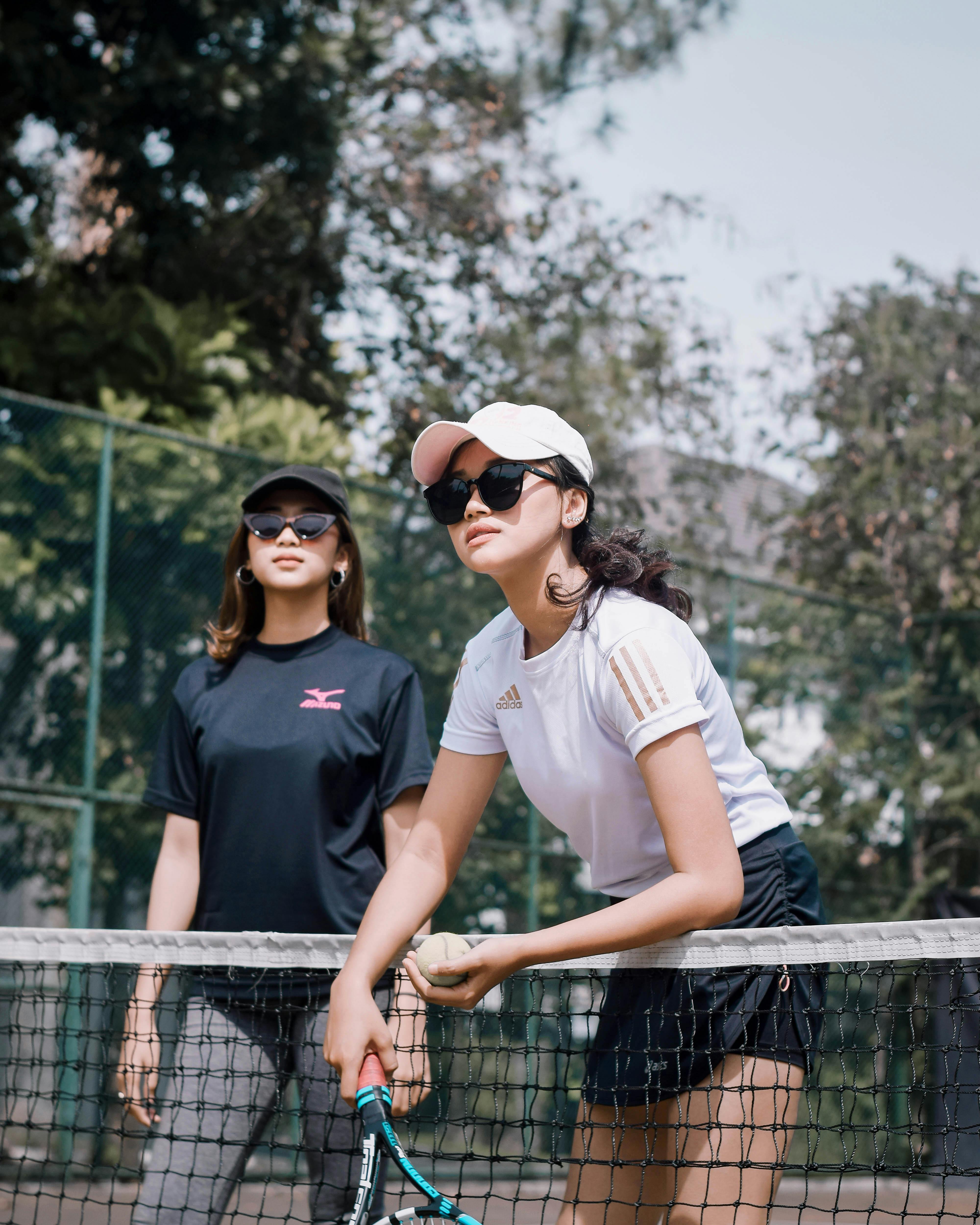
The Tennis Design Language in Casablanca Paris Collections
Tennis offers Casablanca Paris with a ready-made aesthetic toolkit that is both precise and globally compelling. Clay-court casablanca paris reds, grass-court greens, net-white stripes and sun-yellow touches permeate seasonal palettes, providing each season a athletic pulse. Artworks depict tournaments, audiences, awards and Mediterranean settings executed in a hand-painted, slightly retro manner that eschews obvious sportswear territory. Logo crests borrow the shield-and-racket format of invented tennis clubs, creating a perception of membership and exclusivity without imitating any real organisation. Knitwear frequently showcases textured-stitch or patterned designs reminiscent of retro tennis pullovers, while buttoned collars and polo cuts echo tournament dress. Terry cloth—a fabric associated with sideline linens and sweatbands—shows up in shorts, robes and informal tops, strengthening the physical connection to athletics. Even add-ons like caps, visors and wristbands display the Casablanca Paris crest, elevating utilitarian items into covetable identity tokens. This multi-faceted approach means that the tennis reference reads organic and developing rather than monotonous, sustaining shoppers invested across several seasons in 2026 and beyond. Accessories such as a crest cap or woven belt can deepen the athletic feel without adding visual weight to the outfit.
Essential Tennis-Inspired Items Across Seasons
| Piece | Tennis Connection | Standard Fabric | Price Range (2026) |
|---|---|---|---|
| Silk illustrated shirt | Courtside viewer | Mulberry silk | $700–$1 200 |
| Terry shorts | Club changing room | Cotton terry | $350–$500 |
| Knit polo | Match-day uniform | Merino / cotton blend | $400–$650 |
| Track jacket | Pre-match layer | Satin / tricot | $600–$900 |
| Logo cap | Sun coverage on court | Cotton twill | $150–$250 |
| Embroidered sweatshirt | Club affiliation | Heavyweight fleece | $450–$700 |
Why Tennis Tradition Resonates With Luxury Customers
Tennis has long been tied to wealth, prestige and social refinement, making it a ideal match for luxury fashion. Country clubs, exclusive courts and major championships establish settings where aesthetics, etiquette and visual culture intersect. Unlike combat sports that emphasise aggression, tennis values poise, precision and individual expression—qualities that align closely with the ideals of upscale clothing brands. Casablanca Paris capitalises on this cultural cachet by presenting garments that conjure an romanticised interpretation of the tennis scene: perpetually bathed in sunlight, invariably social, unfailingly immaculately turned out. This alluring image attracts consumers who may never participate in tournament-level tennis but who appreciate the way of life it stands for. In 2026, as wellness and athletics increasingly intersect with clothing design, the tennis theme feels even more relevant. Tournaments like Wimbledon, the US Open and Roland-Garros persist in command high-profile interest and editorial coverage, reinforcing the bond between tennis and fashion. Casablanca Paris capitalises on this landscape by presenting itself as the wardrobe for people who desire to look like they belong at the most prestigious institutions in the globe, whether they own a racket or not.
How Casablanca Paris Stands Apart From Other Tennis-Inspired Labels
Several fashion brands have explored tennis aesthetics over the years, from Ralph Lauren’s Wimbledon partnerships to Lacoste’s classic line and Nike’s runway-adjacent performance lines. What sets Casablanca Paris apart is the degree of its dedication to the aesthetic and its decision not to make functional sportswear. While other labels may drop a capsule collection referencing tennis every few seasons, Casablanca Paris builds its entire brand DNA around the sport. Every range offers designs that could plausibly be found in a imaginary tennis club from the 1970s, reimagined with current tones, patterns and proportions. The label never makes genuine performance tennis gear—there are no performance fabrics, no tournament-level shoes—which maintains the attention on imagination and lifestyle rather than performance. This separation is crucial because it places Casablanca Paris alongside luxury houses rather than athletic brands, warranting premium prices and more elaborate craftsmanship. In 2026, other brands continue to drop periodic tennis-themed capsules, but none have embedded the theme as completely into their DNA as Casablanca Paris, giving the house a creative advantage that is challenging to replicate.
Incorporating Casablanca Paris With a Tennis Energy in 2026
To bring the Casablanca Paris tennis vibe into regular combinations, begin with one hero piece that displays an obvious tennis nod—a illustrated silk shirt, a terry pair of shorts, or a knit polo—and create the rest of the outfit around it with neutral basics. For men, combining a silk shirt with structured cream trousers and suede loafers creates a refined dinner or vacation outfit that echoes the courtside social scene. For women, styling a Casablanca polo paired with a flared midi skirt with flat sandals creates a sport-luxe ensemble suitable for daytime dining and museum outings. Layering is also impactful: drape a track jacket over a plain T-shirt and jeans to introduce a burst of colour and courtside spirit without resorting to head-to-toe theme. During autumn and winter, a knit or sweatshirt with a discreet tennis crest can be worn under a trench or blazer, adding insulation and character to a polished casual look. The key rule is subtlety—let the Casablanca Paris item command attention while the rest of the look offers a serene backdrop. This balance maintains the tennis reference elegant rather than costume-like.
The Cultural Influence and Future of Casablanca Paris Tennis Style
Beyond apparel, Casablanca Paris has been part of a larger cultural shift in which tennis is reinterpreted as a fashion reference for a fresh, more diverse generation. Online campaigns presenting players, artists and performers in the label have expanded the scope of tennis fashion beyond traditional private-club communities. Pop-up events at major tournaments, special editions coinciding with Grand Slams and joint projects with tennis bodies maintain the label visually visible in athletic settings. In 2026, the reach of Casablanca Paris is apparent not only in its own commercial success but in the broader fashion industry’s growing interest in tennis-inspired fashion and recreational athletics. Other luxury houses have commenced weaving in sporting imagery, sport-inspired skirts and terry materials into their ranges, a trend that can be traced in part to the blueprint Casablanca Paris established. For shoppers, this means more possibilities and more embrace of tennis-inspired clothing in regular wardrobes. For the house itself, the mission is to keep innovating within its chosen niche so that it remains the authoritative ambassador of luxury tennis style rather than one of many. Given Charaf Tajer’s strong personal bond to the theme and the label’s track record of careful evolution, Casablanca Paris is well positioned to maintain that place for years to come. For more on the meeting point of tennis and fashion, see articles at Vogue and Highsnobiety.
 Türkçe
 العربية
 English
 简体中文
简体中文